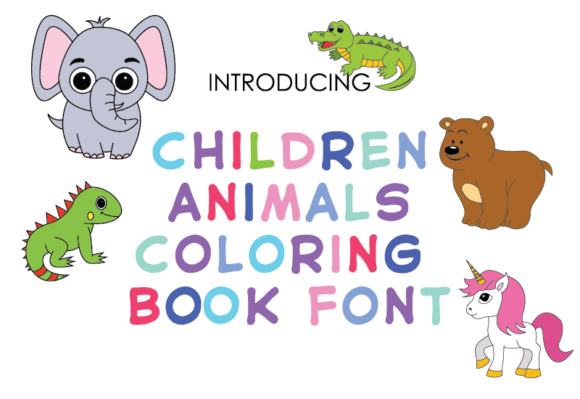
Children Animals Coloring Book: A Whimsical Typeface for Editorial Design
In the world of digital publishing and editorial design, typography is rarely just about legibility. It is about setting a tone, creating an emotional connection, and guiding the reader’s eye through a narrative. When working on projects that require a sense of playfulness, warmth, or nostalgia, selecting the right Decorative font becomes a critical strategic decision. This is where Children Animals Coloring Book steps in as a versatile and charming typeface designed to add personality without sacrificing clarity.
As content creators, bloggers, and designers, we often struggle to find fonts that balance whimsy with professional polish. Children Animals Coloring Book offers a unique solution. It features intricate details and fanciful flourishes that evoke the joy of childhood creativity, making it an excellent choice for publications targeting families, educators, and creative professionals. Whether you are designing a cover for a children’s ebook, a header for a parenting blog, or a playful section title in a magazine, this typeface provides the visual anchor needed to capture attention immediately.
Understanding the Visual Personality of Children Animals Coloring Book
At first glance, Children Animals Coloring Book presents itself as a handwritten font with a distinctively organic feel. However, unlike many script fonts that can be difficult to read at smaller sizes, this display font maintains a structured integrity. The letters are rounded and inviting, mimicking the natural, unpolished strokes of a crayon or marker used by young artists. This aesthetic is not just decorative; it communicates approachability and fun.
The font’s strength lies in its ability to convey mood instantly. When placed against a clean background, the whimsical shapes draw the eye, signaling to the reader that the content within is lighthearted, engaging, or educational. For editorial designers, this means less need for heavy graphical elements to establish tone. The typography itself does the heavy lifting. The intricate details in the letterforms—such as slight irregularities in stroke width and playful curves—add character that feels authentic rather than manufactured. This authenticity is crucial for building trust with readers, especially in niches like parenting, education, and lifestyle.
Strategic Applications in Modern Publishing
The versatility of Children Animals Coloring Book allows it to shine across various formats, from digital newsletters to printed guides. Its primary role should be understood as a display or accent font, best suited for headlines, titles, and short bursts of text where impact matters more than prolonged reading.
Blog Headers and Social Media Graphics
For bloggers and social media managers, grabbing attention in a crowded feed is essential. Using Children Animals Coloring Book for post titles or featured image overlays can significantly increase click-through rates. The font’s playful nature stands out against the minimalist trends of modern web design. Imagine a lifestyle blog post titled “10 Fun Weekend Activities” set in this typeface; the headline alone suggests activity and joy before the reader even clicks. It works exceptionally well for Instagram quote graphics, Pinterest pins, and Facebook cover images where visual hierarchy needs to be immediate and strong.
Ebook Covers and Chapter Openers
Self-published authors and indie publishers often rely on striking covers to compete with traditional publishing houses. Children Animals Coloring Book is ideal for book titles, particularly in genres like children’s literature, self-help for parents, or creative workbooks. On chapter openers, using this font for the chapter number or title creates a delightful break in the reading flow, offering a moment of visual rest and delight. It helps maintain reader engagement by breaking up dense text with visually interesting elements.
Newsletter Design and Lead Magnets
Email marketing remains one of the most effective tools for nurturing audiences. A newsletter header featuring this whimsical font can differentiate your brand from corporate-sounding competitors. It signals to subscribers that your content is personal and crafted with care. Similarly, for lead magnets such as printable planners, worksheets, or coloring sheets, this font enhances the perceived value of the free resource. When users download a PDF guide designed with Children Animals Coloring Book, they associate the quality of the design with the quality of the information inside.
Readability and Layout Considerations
While Children Animals Coloring Book is a creative font with significant personality, it must be used with editorial restraint. Like all display fonts, it is not intended for body copy. Reading long passages in a highly decorative typeface causes eye strain and reduces comprehension. Instead, use it to support your main body text, which should be set in a highly readable serif or sans serif font.
When designing layouts, consider the contrast between the whimsical headline and the functional body text. A classic pairing strategy involves using a clean sans serif font for captions, navigation menus, and footnotes, while reserving Children Animals Coloring Book for major headings. Alternatively, pairing it with a traditional serif font for body copy can create a sophisticated yet playful juxtaposition, common in high-end magazine design. This combination ensures that the publication feels both stylish and accessible.
Mobile responsiveness is another key factor. Ensure that when using this font for headlines, the text size is large enough to remain legible on smaller screens. Because the letterforms have intricate details, shrinking them too small can cause the flourishes to blur or become indistinct. Test your designs at various breakpoints to ensure the whimsical charm translates well to smartphones and tablets.
Font Pairing and Brand Consistency
To maximize the effectiveness of Children Animals Coloring Book, consistency in application is vital. Define clear rules for its usage within your brand identity. For example, you might decide that this font is exclusively used for H1 headers and pull quotes, while H2s and H3s use a secondary accent font. This hierarchy helps readers scan content quickly and understand the structure of your articles.
Consider the broader context of your project. If you are designing a wedding guide, this font can evoke a sense of romantic whimsy. For a coaching workbook, it can suggest growth and creativity. In packaging design for children’s products, it reinforces the target demographic instantly. By aligning the font’s personality with your brand voice, you create a cohesive experience that resonates with your audience.
Technical Details and Licensing
Before integrating Children Animals Coloring Book into your projects, always review the technical specifications. Check for included styles, alternates, and ligatures that can add further customization to your designs. Some versions of this typeface may offer multilingual support, which is valuable for global publications. Additionally, verify the licensing terms carefully. As a commercial font, proper licensing is required for use in ebooks, templates, printables, paid newsletters, client publications, and digital downloads. Ensuring you have the correct license protects your business and respects the creator’s intellectual property.
In summary, Children Animals Coloring Book is more than just a decorative element; it is a powerful tool for editorial design. By leveraging its whimsical charm and intricate details, you can enhance reader engagement, strengthen your brand identity, and create visually stunning publications. Whether you are crafting a digital magazine, a printable guide, or a social media campaign, this font adds a touch of magic that makes your content memorable and enjoyable.